
Introduction: Why Collagen Matters for Youthful Skin
Collagen is the most abundant protein in the human body and the building block of youthful, firm, and radiant skin. From your mid-20s onward, natural its production begins to decline by about 1% each year. This process accelerates with sun exposure, pollution, stress, and poor lifestyle habits.A vital structural protein in the human body, it acts like the scaffolding that keeps skin smooth, firm, and elastic. Over time, natural production declines, leading to visible signs of aging such as fine lines, wrinkles, and sagging.
Beyond skin, this protein also supports joints, muscles, bones, and connective tissues, making it essential for both beauty and overall health. A balanced diet rich in antioxidants, combined with protective skincare and healthy lifestyle choices, helps to preserve its function and slow down the visible effects of aging.
The result? Fine lines, wrinkles, sagging skin, and loss of elasticity.
The good news is that colagen loss is not inevitable. With the right diet, lifestyle, skincare, and treatments, you can protect existing collagen and stimulate new production. This article explores the science of collagen signs of loss, natural boosters, and professional treatments — plus how Magnolique products support your skin in maintaining a youthful glow.
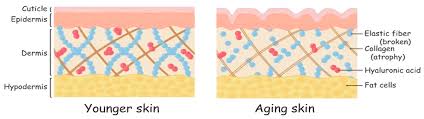
What Is Collagen and Why Is It Important for Skin?
Collagen is a structural protein that provides firmness, elasticity, and resilience to the skin. It works together with elastin and hyaluronic acid to keep skin plump and hydrated.The body produces several forms of supportive proteins, each with its own function. Some provide the skin with firmness and elasticity, giving it structure and resistance to wrinkles.
Others act more like a flexible net, helping tissues stretch and return to their shape, which is especially important for youthful, resilient skin. There are also types that play a key role in wound healing and tissue repair, ensuring that the skin can recover quickly after injury or inflammation.
Beyond the skin, other forms are more dominant in bones, joints, and tendons, where they provide stability and strength for movement. Some varieties are even found in cartilage and intervertebral discs, where they act as shock absorbers, protecting the body from daily stress and pressure. Together, these different forms create a network that keeps the body strong, the skin supple, and the tissues resilient against aging and damage.
- Type I & III are dominant in the skin.
- They act like scaffolding — giving skin its strength and bounce.
- Loss of collagen = thinning skin, wrinkles, sagging.
NIH – Collagen in Human Health)
Signs of Collagen Loss in Skin
- Fine lines and wrinkles around the eyes and mouth.
- Skin laxity and sagging (especially jawline).
- Thinner, more fragile skin.
- Slower wound healing.
- Loss of volume and elasticity.
Natural Ways to Boost Collagen
Nutrition and Collagen-Boosting Foods
The strength and resilience of the skin depend heavily on what we eat. Vitamins, minerals, and amino acids provide the raw materials the body needs to keep tissues supple and youthful.
Vitamin C plays a key role in maintaining firmness and brightness, while zinc and copper contribute to natural repair processes. Foods rich in protein supply essential amino acids such as glycine and proline, which are vital for maintaining structure.
Antioxidant-rich fruits and vegetables, such as berries, citrus, spinach, and kale, help protect skin against free radical damage that accelerates aging. Meanwhile, omega-3 fatty acids found in fish, chia seeds, and walnuts reduce inflammation, improve hydration, and help maintain a smooth texture.
By choosing a diet rich in colorful plants, lean proteins, nuts, and seeds, it becomes possible to support the body’s natural ability to keep skin firm, elastic, and radiant over tim
- Vitamin C → essential for collagen synthesis (citrus, kiwi, bell peppers).
- Amino acids (glycine, proline) → found in lean meats, legumes, eggs.
- Copper & zinc → nuts, seeds, seafood.
- Antioxidants → berries, green tea, dark leafy greens protect colagen from free radical damage.
- Collagen supplements → hydrolyzed colagen peptides have shown promising results in improving skin elasticity.
Lifestyle Habits for Collagen Protection
- Protect skin from sun exposure → UVA/UVB rays break down its fibers.
- Quit smoking — smoking accelerates colagen degradation.
- Reduce sugar intake → glycation stiffens colagen.
- Manage stress → chronic stress increases cortisol, harming colagen.
- Sleep 7–8 hours → cllagen regeneration occurs during deep sleep.
Skincare Ingredients that Stimulate Collagen
- Retinoids/Retinol → increase production.
- Peptides → signal the skin to produce more collagen.
- Vitamin C (SAP) → protects existing colagen and stimulates new synthesis.
- Tranexamic Acid & Ferments → support overall skin clarity, creating an environment for its healthy turnover.
Professional Treatments for Collagen Stimulation
- Microneedling → controlled injury boosts its remodeling.
- PRP (Platelet-Rich Plasma) → growth factors stimulate regeneration.
- Laser therapy → fractional CO₂ and non-ablative lasers improve colagen density.
- Radiofrequency & Ultrasound → tighten skin by stimulating deep fiber layers.
American Academy of Dermatology – Skin Aging)
How Magnolique Products Support Collagen & Skin Health
Magnolique Anti-Pigmentation Serum
- Contains Tranexamic Acid, SAP (Vitamin C derivative), and Lactobacillus Ferment Lysate.
- Vitamin C (SAP) is clinically proven to stimulate its synthesis.
- Ferment lysates strengthen skin barrier, helping the skin respond better to damage.
- Results: brighter tone + smoother texture + long-term support.
Magnolique Anti-Solar SPF 50+ (Coming Soon)
- The most powerful anti-collagen-damage tool is daily sunscreen.
- Magnolique’s UVA • UVB • IR protection prevents photoaging and colagen breakdown.
FAQs About Collagen and Skin Health
Q1: At what age should I start collagen care?
A: Preventive colagen care should begin in the mid-20s, when natural decline starts.
Q2: Do collagen supplements really work?
A: Clinical studies suggest hydrolyzed colagen peptides can improve skin elasticity and hydration.
Q3: Can topical skincare really boost cllagen?
A: Yes, proven ingredients like retinol, peptides, and Vitamin C stimulate colagen production.
Q4: Why is sunscreen so important for cllagen?
A: Because 80% of skin aging comes from sun exposure, which breaks down colagen fibers.
Conclusion: Collagen Care is Skin Care
Maintaining skin strength and elasticity depends on consistent care, healthy nutrition, and daily protection against environmental stressors. With the right balance of lifestyle, skincare, and professional treatments, it is possible to slow visible aging and preserve a youthful, radiant appearance for years to come.
it is the foundation of youthful, radiant skin — and while natural decline happens with age, it can be slowed, protected, and even reversed.
A smart approach combines:
- Nutrition & supplements
- Healthy lifestyle choices
- Collagen-boosting skincare (like Magnolique Anti-Pigmentation Serum)
- Daily sunscreen (Magnolique Anti-Solar SPF 50+)
- Professional dermatology treatments
✨ Consistency is the secret. With science-backed care and clean beauty innovations, your skin can stay firm, resilient, and glowing for years to come.